When the holiday season rolls around, the office buzz shifts from spreadsheet crunching to “what will the CEO receive?” The answer? A carefully curated corporate gift basket. But not just any chocolate will do. Picking the right chocolate can make a lasting impression, sweeten relationships, and even tip the scales in a negotiation. This guide walks you through the process of choosing chocolate for a corporate gift basket, ensuring your gift is both memorable and professional.
Understanding the Corporate Audience
Know Your Recipient
The first step is to profile the recipient. Is it a senior executive, a long‑time client, or a new partner? Each group has Gift subscription different expectations. Executives often appreciate premium, artisanal options, while clients might value a mix of classic and trendy treats. A quick survey or a discreet conversation with a colleague can reveal preferences and dietary restrictions.
Consider Cultural Sensitivities
In a global firm, cultural tastes matter. Some regions favor dark chocolate for its sophistication; others prefer milk chocolate for its familiarity. Avoid controversial flavors—like chocolate with nuts—if you’re unsure about allergies or religious dietary laws. A simple “no nuts” label can save a faux pas.
Timing and Occasion
Is the basket a holiday gift, a thank‑you for a closed deal, or a welcome present for a new hire? The occasion influences the tone. A celebratory basket might lean toward indulgent, high‑end chocolate, whereas a seasonal one can incorporate seasonal flavors (pumpkin spice, peppermint).
Chocolate Types: From Classic to Trendy
Classic Dark and Milk
Dark chocolate (70% cacao or higher) signals sophistication and health consciousness. Milk chocolate, meanwhile, offers a comforting, familiar taste. A balanced mix appeals to broad tastes and shows thoughtful curation.
Single‑Origin and Truffle
Single‑origin chocolates highlight the unique flavor profile of a specific region—think Ethiopian or Mexican cacao. Truffles add a luxurious texture and are often coated in cocoa powder or nuts. These options are perfect for a high‑value basket.
Ethical and Sustainable
More executives are mindful of sustainability. Look for Fair Trade, Rainforest Alliance, or organic certifications. A label that reads “sourced responsibly” can resonate with socially conscious leaders.
Novelty and Seasonal
Limited‑edition bars—like a holiday truffle or a limited‑run caramel‑filled chocolate—add excitement. Seasonal flavors can tie the basket to the time of year and create a memorable experience.
> “Chocolate is the universal language of appreciation.” – Anonymous
Packaging Matters: Presentation & Practicality
Luxury Boxes vs. Eco‑Friendly Containers
High‑end corporate gifts often come in sleek, matte boxes with gold embossing. However, eco‑friendly packaging—recycled cardboard or bamboo—can align with a company’s sustainability goals. The choice should reflect the brand image you want to project.
Portion Size and Variety
A basket that contains a variety of sizes—small bite‑sized pieces and larger bars—offers flexibility. Recipients can share with colleagues or enjoy a personal treat. Avoid overwhelming the basket with too many options; a curated selection feels more intentional.
Labeling and Branding
Include a small card with the company logo and a personal note. A brief, warm message can turn a simple chocolate bar into a heartfelt gesture. Ensure the label is legible and professionally printed; a sloppy card can undermine the entire presentation.
Practicality for Business Use
Consider how the recipient will store or consume the chocolate. If they’re traveling, choose chocolates that stay stable in varying temperatures. If they’re a busy executive, bite‑sized pieces or bars that can be easily carried in a briefcase are ideal.
Budgeting Wisely: Quality vs. Cost
Set a Clear Budget
Decide how much you can allocate per basket. A $150 basket can accommodate premium dark chocolate, a single‑origin bar, and a small truffle. A $75 basket might focus on high‑quality milk chocolate and a few specialty pieces.
Bulk Purchasing
Many chocolate manufacturers offer bulk discounts for corporate orders. Ordering directly from the producer can reduce costs while ensuring authenticity. If you’re buying from a retailer, ask for a corporate discount.
Add Value with Extras
Instead of splurging on chocolate alone, add a small complementary item—a branded pen, a mini notebook, or a coffee mug. These extras can enhance perceived value without breaking the budget.
Avoid Over‑Or Under‑Spending
A basket that is too modest may feel insincere; one that is overly lavish can seem extravagant. Aim for a balanced approach that reflects the relationship’s depth.
Finalizing the Selection: A Checklist
- Recipient Profile: Know their taste, dietary restrictions, and cultural context. Chocolate Variety: Mix classic, single‑origin, and seasonal options. Packaging: Choose a style that reflects brand values and is practical for the recipient. Budget: Set a realistic limit and seek bulk deals. Personal Touch: Include a handwritten note or branded card. Logistics: Ensure timely delivery and proper handling.
> “Choosing the right chocolate is like navigating a chocolate maze—each turn offers a new delight.” – Sweet Words
Ever wondered why the right chocolate can seal a deal?
Because it’s not just about taste; it’s https://www.4shared.com/s/fithUj0KCku about signaling respect, appreciation, and attention to detail. When you present a thoughtfully curated chocolate basket, you’re saying, “I value our partnership enough to invest in something sweet and memorable.”
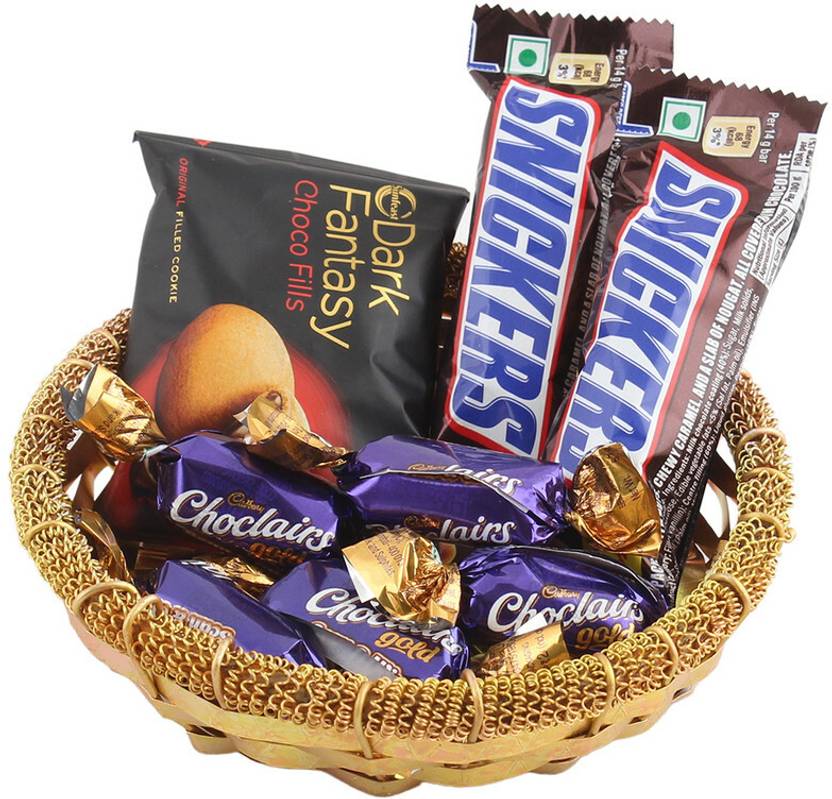
Are you ready to make your next corporate gift basket a standout?
By following this guide, you’ll choose chocolate that delights, impresses, and aligns with your company’s image. The next time you’re faced with the task of selecting chocolate for a corporate gift basket, remember: it’s a small act that can have a big impact.
